Letter to Arc Members
"Electric intelligence is here — and it would be naive of us to pretend it doesn't fundamentally change the kind of product we need to build to meet the moment."
一家公司怎么公开承认自己押错了
-
数据早就说清了,只是不愿承认
"Everything we ended up concluding — about growth, retention, how people actually used it — we had already seen in the data. We just didn't want to admit it."
"First, I would've stopped working on Arc a year earlier."
他把「该早一年停手」列为第一条悔意。不是没看见,是不肯认。
-
新奇税:太不一样,学得太多,回报太少
"For most people, Arc was simply too different, with too many new things to learn, for too little reward."
"After a couple of years of building and shipping Arc, we started running into something we called the "novelty tax" problem."
「新奇税」是他给这类产品困境起的名字——喜欢的人狂热,但门槛劝退了大多数。
-
罕见地公开自家功能使用率
"Only 5.52% of DAUs use more than one Space regularly. Only 4.17% use Live Folders. It's 0.4% for one of our favorite features, Calendar Preview on Hover."
"What people actually used, loved, and valued differs from what the average tweet or Reddit comment assumes."
对比 Dia 的 40% 和 37%。很少有公司愿意把这种数字摆出来。
-
最难承认的不是细节,是太增量
"The part that was hard to admit, is that Arc — and even Arc Search — were too incremental."
"But these are the details. These are things you can toil over, measure, sculpt, remove."
指标可以打磨,方向不够大这件事没法打磨。
-
萨克斯与钢琴
"Early on, Scott Forstall told us Arc felt like a saxophone — powerful but hard to learn. Then he challenged us: make it a piano."
"First, simplicity over novelty."
Scott Forstall 这句话成了 Dia 的产品原则:把复杂藏在熟悉的界面背后。
-
开源卡在 ADK,不是不想
"So while we'd love to open source Arc someday, we can't do that meaningfully without also open-sourcing ADK. And ADK is still core to our company's value."
"Arc isn't just a Chromium fork. It runs on custom infrastructure we call ADK — the Arc Development Kit."
ADK 同时是 Dia 的地基。这是「会不会开源」这个问题最实的答案。
-
我们退出蜡烛生意,你也该退
"Let me be even more clear: traditional browsers, as we know them, will die. We're getting out of the candle business. You should too."
"Electric intelligence is here — and it would be naive of us to pretend it doesn't fundamentally change the kind of product we need to build to meet the moment."
全文最锋利的一段。电灯来了,再精致的蜡烛也是蜡烛。
Dear Arc Members

You’re probably wondering what happened.
你大概在想,到底发生了什么。
One day we were all-in on Arc.
前一天我们还在全力押注 Arc。
Then, seemingly out of nowhere, we started building something new: Dia.
然后,看上去毫无预兆,我们开始做一个新东西:Dia。
From the outside, this pivot might look abrupt.
从外面看,这次转向可能显得很突然。
Arc had real momentum.
Arc 当时是真有势头。
People loved it.
人们喜欢它。
But inside, the decision was slower and more deliberate than it may seem.
但在内部,这个决定比看上去更慢,也更审慎。
So I want to walk you through it all and answer your questions — why we started this company, what Arc taught us, what happens to it now, and why we believe Dia is the next step.
所以我想把整件事完整讲一遍,并回答你们的提问 —— 我们为什么创办这家公司、Arc 教会了我们什么、它现在会怎样,以及我们为什么相信 Dia 是下一步。
What we got wrong
我们错在哪里
Why we built Arc
我们当初为什么做 Arc
Where Arc fell short
Arc 差在哪里
Why we didn’t integrate Dia into Arc
我们为什么没把 Dia 集成进 Arc
Will we open source Arc
我们会把 Arc 开源吗
Building Dia
打造 Dia
What We Got Wrong
To start, what would we do differently if we could do it all over again?
先说,如果一切能重来一遍,我们会做哪些不一样的事?
Too many things to name.
太多了,说不完。
But I’ll keep it to three.
但我只讲三件。
First, I would’ve stopped working on Arc a year earlier.
第一,我会早一年停掉 Arc 的开发。
Everything we ended up concluding — about growth, retention, how people actually used it — we had already seen in the data.
我们最后得出的所有结论——增长、留存、人们到底怎么用它——数据里早就有了。
We just didn’t want to admit it.
我们只是不想承认。
We knew.
我们知道。
We were just in denial.
我们只是在自欺欺人。
Second, I would’ve embraced AI fully, sooner and unapologetically.
第二,我会更早、更坦荡地全面拥抱 AI。
The truth is I was obsessed.
说实话,我当时着了迷。
I’d stay up late, after my family went to bed, playing with ChatGPT— not for work, but out of sheer curiosity.
等家人都睡了,我一个人熬到深夜,玩 ChatGPT——不为工作,纯粹是好奇。
But I also felt embarrassed.
但我又觉得难为情。
I hated so much of the industry hype (and how I was contributing to it).
我讨厌这个行业里的大量炒作(也讨厌自己在助长它)。
The buzzwords.
那些流行词。
The self-importance.
那种自命不凡。
It made me pull back from my own curiosity, even though it was real and deep.
这让我把自己的好奇心往回收了,尽管它真实而深切。
You can see this in how cautious <a href="https://www.youtube.com/watch?v=y7koAGLf0EE&t=793s">our Arc Max rollout was.
从<a href="https://www.youtube.com/watch?v=y7koAGLf0EE&t=793s">我们 Arc Max 的发布有多谨慎,就能看出这一点。
I should have embraced my inspiration sooner and more boldly.
我本该更早、更大胆地拥抱自己的灵感。
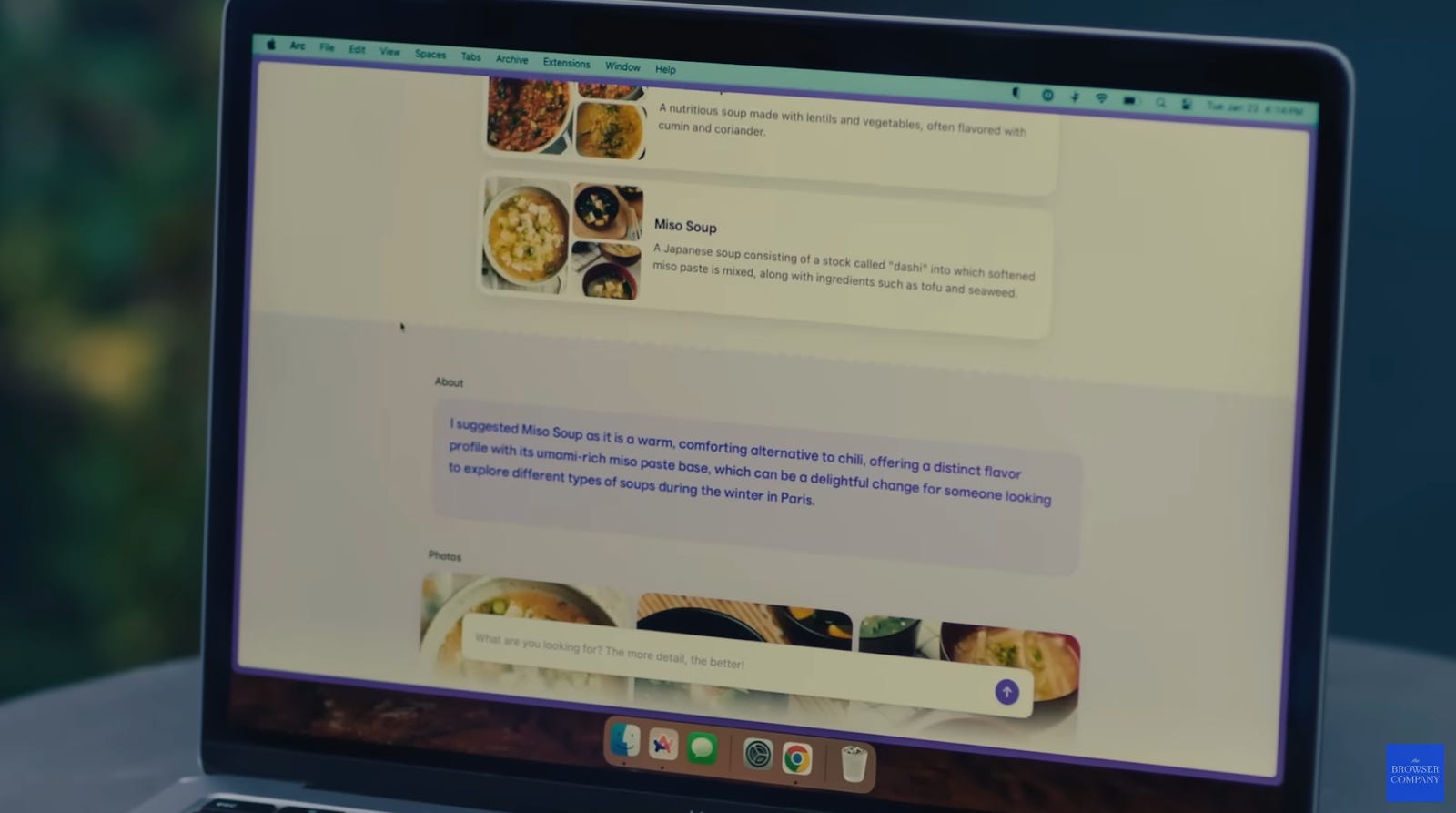
If you go back to our Act II video — when we announced we were going to bring AI to the heart of Arc — it ends with a demo of a prototype we called <a href="https://youtu.be/WIeJF3kL5ng?feature=shared&t=302">Arc Explore.
如果你回头看我们的Act II 那支视频——我们在那支视频里宣布要把 AI 带进 Arc 的核心——结尾是一个原型的演示,我们叫它 <a href="https://youtu.be/WIeJF3kL5ng?feature=shared&t=302">Arc Explore。
That idea is basically where Dia and a lot of other AI-native products are headed now.
那个想法,基本上就是今天 Dia 和很多其他 AI 原生产品正在走的方向。
That’s not to say we were ahead of our time, or anything like that.
这不是说我们领先于时代,或者什么别的。
It’s just to say our instincts were there long before our hearts caught up.
只是想说,我们的直觉早就到了,只是心迟迟才跟上。
Third, I would’ve communicated very differently.
第三,我会用非常不同的方式沟通。
We care so much about the people we build for.
我们非常在乎那些我们为之做产品的人。
Always have.
一直如此。
Saying it “pains me” to have made people mad doesn’t really do it justice.
说惹恼了大家「让我痛心」,远远不足以形容。
In some moments, we were too transparent — like announcing Dia before we had the details to share.
有时候我们太透明了——比如还没有细节可以分享,就宣布了 Dia。
In others, not transparent enough — like taking too long to answer questions we knew people were asking.
有时候又不够透明——比如明知大家在问的问题,却拖了太久才回答。
A few years ago, a mentor told me to put a sticky note on my desk that said: “The truth will set you free.”
几年前,一位导师让我在桌上贴一张便签,上面写着:「真相会让你自由。」
I know.
我知道。
It sounds like a fortune cookie.
听着像幸运饼干。
But it’s served me well, again and again.
但它一次又一次地管用。
If I regret anything most, it’s not using it more.
要说我最遗憾什么,就是没有更多地用上它。
This essay is our truth.
这篇文章就是我们的真相。
It’s uncomfortable to share.
把它说出来并不舒服。
But we hope you can feel it was written with care and good intent.
但我们希望你能感受到,它是带着用心和善意写下的。
Why We Built Arc
In order to answer your real questions — why we pivoted to Dia, whether we can open source Arc, and more — I need to share a bit of background from the past.
为了回答你们真正的问题 —— 我们为什么转向 Dia、能不能把 Arc 开源,等等 —— 我需要先讲一点过去的背景。
It informs what is possible (and not) today.
它关系到今天什么做得到(什么做不到)。
At its core, we started The Browser Company with a simple belief: the browser is the most important software in your life — and it wasn’t getting the attention it deserved.
说到底,我们创办 The Browser Company 是基于一个简单的信念:浏览器是你生活中最重要的软件 —— 而它没有得到应得的重视。
Back in 2019, it was already clear to us that everything was moving into the browser.
早在 2019 年,我们就已经很清楚:一切都在往浏览器里搬。
My wife, who doesn’t work in tech, was living in desktop Chrome all day.
我妻子不在科技行业工作,她一整天都活在桌面版 Chrome 里。
My six year old niece was doing school entirely in web apps.
我六岁的侄女念书全在 web 应用里完成。
The macro trends all pointed the same direction too: cloud revenue was surging, breakout startups were browser-based (writing blog posts like “Meet us in the browser”), crypto ran through browser extensions, WebAssembly was enabling novel experiences, and so on.
宏观趋势也全都指向同一个方向:云收入在猛涨,破圈的创业公司都是基于浏览器的(会写出「在浏览器里与我们相见」这样的博客文章),加密货币跑在浏览器扩展里,WebAssembly 催生出新型体验,等等。
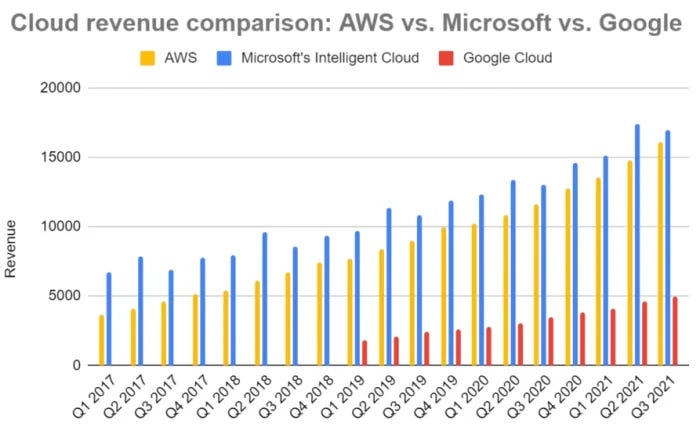
Even back then, it felt like the dominant operating system on desktop wasn’t Windows or macOS anymore — it was the browser.
即便在那时,桌面上主导的操作系统感觉就已经不是 Windows 或 macOS 了 —— 而是浏览器。
But Chrome and Safari still felt like the browsers we grew up with.
但 Chrome 和 Safari 感觉还是我们从小用到大的那些浏览器。
They hadn’t evolved with the shift.
它们没有随着这场转变一起进化。
And both of these trends have only accelerated since.
而这两个趋势,从那以后只是在加速。
Some companies only issue enterprise versions of Chrome with new employee laptops (their companies fully run on SaaS apps), and Chrome and Safari remain essentially unchanged.
有些公司给新员工的笔记本只配企业版 Chrome(他们公司完全跑在 SaaS 应用上),而 Chrome 和 Safari 基本还是原样。
So that’s why we made Arc.
所以我们才做了 Arc。
We wanted to build something that felt like “your home on the internet” — for work projects, personal life, all the hours you spent in your browser every single day.
我们想做一个东西,让它感觉像「你在互联网上的家」 —— 放得下工作项目、个人生活,以及你每一天泡在浏览器里的所有时间。
Something that felt more like a product from Nintendo or Disney than from a browser vendor.
一个更像 Nintendo 或 Disney 出的产品,而不像浏览器厂商出的产品。
We wanted you to open Arc every morning and think, “This is mine, my space.”
我们希望你每天早上打开 Arc 时会想:「这是我的,我的空间。」
And we called this north star vision the “<a href="https://www.youtube.com/watch?v=v0160IirdL4&t=336s">Internet Computer.”
我们把这个北极星愿景叫做「<a href="https://www.youtube.com/watch?v=v0160IirdL4&t=336s">互联网电脑」。
But it increasingly became clear that Arc was falling short of that aspiration.
但越来越清楚的是,Arc 没能达到那个愿景。
Where Arc Fell Short
After a couple of years of building and shipping Arc, we started running into something we called the “novelty tax” problem.
打造和发布 Arc 两年之后,我们开始撞上一个自己称之为「新奇税」的问题。
A lot of people loved Arc — if you’re here you might just be one of them — and we’d benefitted from consistent, organic growth since basically Day One.
很多人爱 Arc —— 你既然在这儿,可能就正是其中一个 —— 而我们基本从第一天起就一直有稳定的自然增长。
But for most people, Arc was simply too different, with too many new things to learn, for too little reward.
但对大多数人来说,Arc 就是太不一样了,要学的新东西太多,回报又太少。
To get specific: D1 retention was strong — those who stuck around after a few days were fanatics — but our metrics were more like a highly specialized professional tool (like a video editor) than a mass-market consumer product, which we aspired to be closer to.
说具体点:次日留存很强 —— 熬过头几天还留下来的,都是狂热粉 —— 但我们的指标更像一款高度专精的专业工具(比如视频剪辑软件),而不是大众消费级产品,而后者才是我们想更靠近的。
On top of that, Arc lacked cohesion — in both its core features and core value.
除此之外,Arc 缺乏整体感 —— 核心功能上如此,核心价值上也如此。
It was experimental, that was part of its charm, but also its complexity.
它很实验性,这是它的魅力所在,也是它的复杂所在。
And the revealed preferences of our members show this.
而我们成员的显示性偏好正说明了这一点。
What people actually used, loved, and valued differs from what the average tweet or Reddit comment assumes.
人们真正在用、真正喜爱、真正看重的东西,和一般推文或 Reddit 评论里以为的并不一样。
Only 5.52% of DAUs use more than one Space regularly.
只有 5.52% 的 DAU 会经常使用不止一个 Space。
Only 4.17% use Live Folders (including GitHub Live Folders).
只有 4.17% 使用 Live Folders(包括 GitHub Live Folders)。
It's 0.4% for one of our favorite features, Calendar Preview on Hover.
我们最喜爱的功能之一 Calendar Preview on Hover,这个数字是 0.4%。
Switching browsers is a big ask.
让人换浏览器,这个要求不小。
And the small things we loved about Arc — features you and other members appreciated — either weren’t enough on their own or were too hard for most people to pick up.
而 Arc 上那些我们自己很爱的小地方 —— 你和其他成员欣赏的那些功能 —— 要么单靠它们还不够,要么对大多数人太难上手。
By contrast, core features in Dia, like chatting with tabs and personalization features, are used by 40% and 37% of DAUs respectively.
相比之下,Dia 里的核心功能,比如跟标签页对话和个性化功能,分别有 40% 和 37% 的 DAU 在用。
This is the kind of clarity and immediate value we’re working toward.
这就是我们正在努力做到的那种清晰和即时价值。
But these are the details.
但这些都是细节。
These are things you can toil over, measure, sculpt, remove.
这些东西你可以死磕、可以衡量、可以雕琢、可以删掉。
The part that was hard to admit, is that Arc — and even Arc Search — were too incremental.
难以承认的那部分是,Arc —— 甚至 Arc Search —— 都太增量了。
They were meaningful, yes.
它们是有意义的,没错。
But ultimately not at the scale of improvements that we aspired to.
但归根结底,没到我们期望的那种改进量级。
Or that could breakout as a mass-market product.
也不到能作为一个大众市场产品破圈的量级。
If we were serious about our original mission, we needed a technological unlock to build something truly new.
如果我们对最初的使命是认真的,就需要一次技术解锁,去造出真正新的东西。
In 2023, we started seeing it happen, across categories that felt just as old and cemented as browsers.
2023 年,我们开始看到它发生了,就在那些感觉和浏览器一样古老、一样固化的品类里。
ChatGPT and Perplexity were actually threatening Google.
ChatGPT 和 Perplexity 真的在威胁 Google。
Cursor was reshaping the IDE.
Cursor 在重塑 IDE。
What’s fascinating about both — search engines and IDEs — is that their users had been doing things the same way for decades.
这两件事 —— 搜索引擎和 IDE —— 最让人着迷的地方在于,它们的用户几十年来都是同一套做法。
And yet, they were suddenly open to change.
然而,他们突然就愿意接受改变了。
This was the moment we were waiting for. This was a fundamental shift that could challenge user behavior and maybe lead to a true reimagining of the browser.
这就是我们一直在等的那个时刻。 这是一次根本性的转变,它可能挑战用户的行为习惯,或许还能带来对浏览器的一次真正重新想象。
Hopefully you can now see why Dia felt like a no-brainer.
希望你现在能看出来,为什么做 Dia 这件事不用想都知道该做。
At least for us and our original aspirations.
至少对我们、对我们最初的抱负来说是这样。
So when people ask how venture capital influenced us — or why we didn’t just charge for Arc and run a profitable business — I get it.
所以当人们问风险投资是怎么影响我们的 —— 或者问我们为什么不干脆对 Arc 收费、做一个赚钱的生意 —— 我懂。
They’re fair questions.
这些问题很公道。
But to me, they miss the forest for the trees.
但在我看来,它们是见树不见林。
If the goal was to build a small, profitable company with a great team and loyal customers, we wouldn’t have chosen to try and build the successor to the web browser – the most ubiquitous piece of software there is.
如果目标是做一家小而赚钱的公司,有一支很棒的团队、一批忠诚的客户,我们就不会选择去打造 Web 浏览器的继任者 —— 世上最无处不在的那类软件。
The point of this was always bigger for us: to build good, cared for software that could have an impact for people at real scale.
我们干这件事,图的从来都更大:做出好的、用心照料的软件,在真正的规模上影响到人。
So if Arc fell short, why build something new versus evolve it?
那么,如果 Arc 差了这口气,为什么是造一个新的,而不是让它继续演进?
Why We Didn't Integrate Dia into Arc
It’s a great question.
这是个好问题。
And for those who followed our podcast last year, you’ll know that it’s one we spent the entire summer grappling with before understanding that Dia and Arc were two separate products.
如果你去年跟过我们的播客,你就知道这个问题我们纠结了整整一个夏天,最后才明白 Dia 和 Arc 是两个独立的产品。
For starters, in many ways, we have approached Dia as an opportunity to fix what we got wrong with Arc.
先说一点:在很多方面,我们是把 Dia 当成一个机会,去修正 Arc 上做错的东西。
First, simplicity over novelty.
第一,简单优先于新奇。
Early on, Scott Forstall told us Arc felt like a saxophone — powerful but hard to learn.
很早的时候,Scott Forstall 跟我们说,Arc 像一把萨克斯 —— 强大,但难学。
Then he challenged us: make it a piano.
然后他向我们发出挑战:把它做成一台钢琴。
Something anyone can sit down at and play.
谁坐下来都能弹。
This is now the idea behind Dia: hide complexity behind familiar interfaces.
这就是现在 Dia 背后的想法:把复杂藏在熟悉的界面背后。
Second, speed isn’t a tradeoff anymore — it’s the foundation.
第二,速度不再是一种取舍 —— 它就是地基。
Dia’s architecture is fast.
Dia 的架构很快。
Really fast.
真的很快。
Arc was bloated.
Arc 很臃肿。
We built too much, too quickly.
我们造得太多,也太快。
With Dia, we started fresh from an architecture perspective and prioritized performance from the start.
到了 Dia,我们从架构上重新来过,一开始就把性能放在优先位置。
Specifically, sunsetting our use of TCA and SwiftUI to make Dia lightweight, snappy, and responsive.
具体来说,是弃用 TCA 和 SwiftUI,让 Dia 变得轻量、利落、响应迅速。
Third, security is at the forefront.
第三,把安全放在最前面。
Dia is a different kind of product – to meet it, we grew our security engineering team from one to five.
Dia 是一种不同类型的产品 —— 为了接住它,我们把安全工程团队从 1 人扩到 5 人。
We’re invested in red teaming, bug bounties, and internal audits.
我们投入了红队演练、漏洞赏金和内部审计。
Our goal is to set the standard for small startups.
我们的目标是为小型创业公司立下标准。
Which is even more important in a world of AI, especially as more AI agents come online.
在一个 AI 的世界里,这一点更重要,尤其是越来越多 AI agent 上线之后。
We want to get out in front.
我们想走在前面。
These are all things that need to be part of a product’s foundation.
这些东西都得是产品地基的一部分。
Not afterthoughts.
不是事后补的。
As we pushed the boundaries of whether this truly was Arc 2.0 last summer, we found that there were shortcomings in Arc that were too large to tackle retroactively, and that building a new type of software (and fast) required a new type of foundation.
去年夏天,我们一路试探这到底能不能就是 Arc 2.0,结果发现 Arc 的短板太大,没法回过头去补,而造一种新类型的软件(而且要快)需要一种新类型的地基。
Will We Open Source Arc
Which brings us to the present.
这就说到了现在。
As we started exploring what might come next, we never stopped maintaining Arc.
开始探索下一步做什么的同时,我们从没停止维护 Arc。
We do regular Chromium upgrades, fix security vulnerabilities, related bugs, and more.
我们定期升级 Chromium,修安全漏洞,修相关的 bug,还有别的。
Honestly, most people haven’t even noticed that we stopped actively building new features — which says something about what most people want from Arc (stability not more stuff to learn).
老实说,大多数人甚至没注意到我们已经不再积极做新功能 —— 这多少说明了大多数人想从 Arc 要的是什么(是稳定,不是更多要学的东西)。
But it is true: we are not actively developing the core product experience like we used to.
但确实如此:我们不再像过去那样积极打磨核心产品体验了。
Naturally, people have asked: will we open source it?
于是很自然,有人问:我们会把它开源吗?
Will we sell it?
我们会把它卖掉吗?
We’ve considered both extensively.
这两条路我们都反复想过。
But the truth is it’s complicated.
但事实是,这件事很复杂。
Arc isn’t just a Chromium fork.
Arc 不只是一个 Chromium 分支。
It runs on custom infrastructure we call ADK — the Arc Development Kit.
它跑在一套我们自研的基础设施上,我们管它叫 ADK —— Arc Development Kit。
Think of it as an internal SDK for building browsers (especially those with imaginative interfaces).
你可以把它想成一个用来造浏览器的内部 SDK(尤其是那些界面很有想象力的浏览器)。
That’s our secret sauce.
这就是我们的秘密武器。
It lets ex-iOS engineers prototype native browser UI quickly, without touching C++.
它让前 iOS 工程师不碰 C++ 也能快速做出原生浏览器 UI 的原型。
That’s why most browsers don’t dare to try new things.
这就是为什么大多数浏览器不敢尝试新东西。
It’s too costly.
代价太高。
Too complex to break from Chrome.
要脱离 Chrome,太复杂。
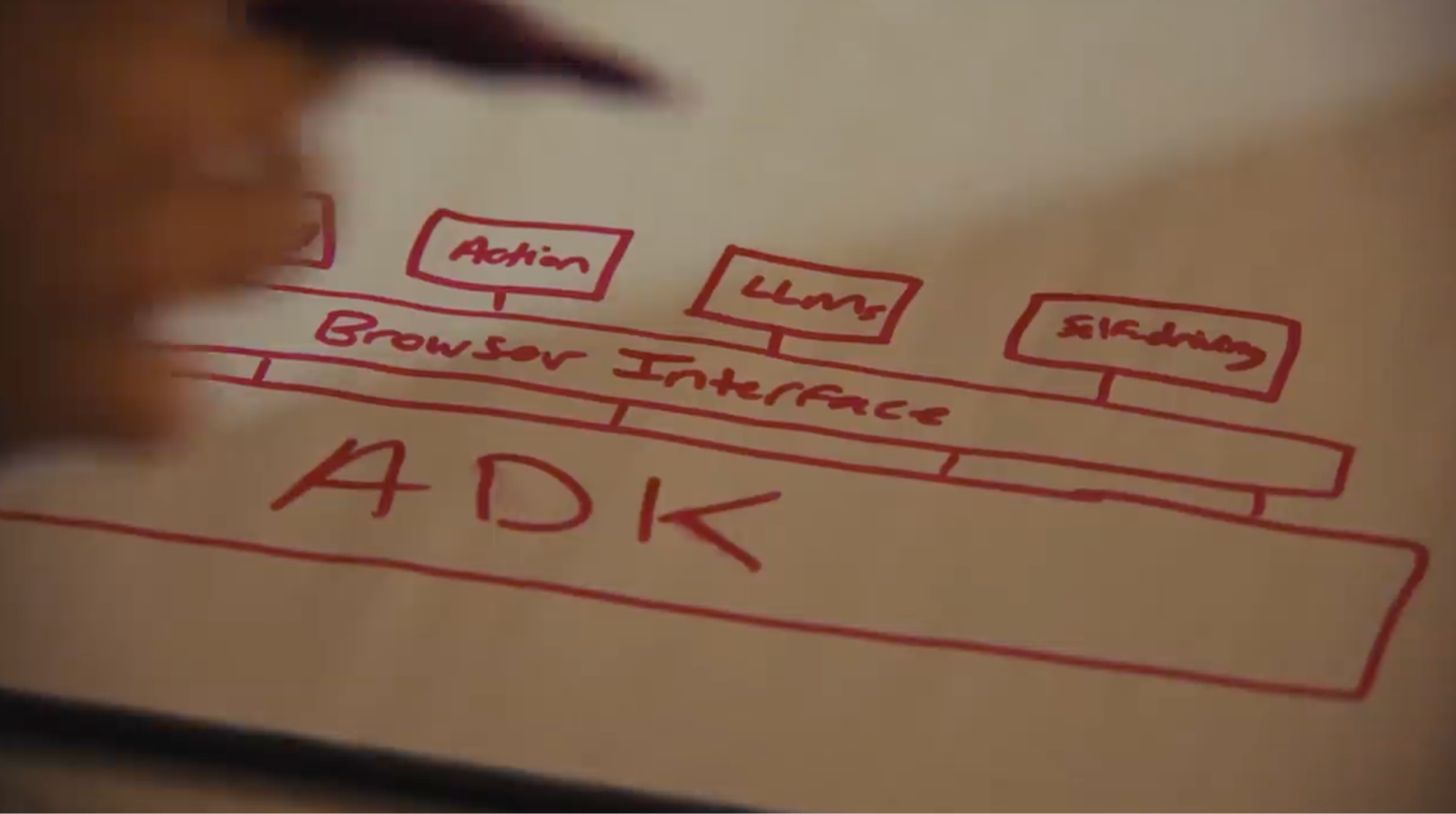
ADK is also the foundation of Dia.
ADK 同时也是 Dia 的地基。
So while we’d love to open source Arc someday, we can’t do that meaningfully without also open-sourcing ADK.
所以,我们当然希望有一天能把 Arc 开源,但不连 ADK 一起开源,这件事就没什么真正的意义。
And ADK is still core to our company’s value.
而 ADK 仍然是我们公司价值的核心。
That doesn’t mean it’ll never happen.
这不等于说它永远不会发生。
If the day comes where it no longer puts our team or shareholders at risk, we’d be excited to share what we’ve built with the world.
如果哪一天开源不再让我们的团队或股东承担风险,我们会很高兴把自己造出来的东西分享给全世界。
But we’re not there yet.
但我们还没到那一步。
In the meantime, please know this: we’re not trying to shut Arc down.
在那之前,请知道这一点:我们不是要关掉 Arc。
We know you use it and rely on it.
我们知道你在用它,也依赖它。
Many of our family and friends do, too.
我们自己的很多家人和朋友也在用。
We still love it, spent years of our life on it — and whether it’s through us or the community, our hope and intention is that Arc finds a future that’s just as considered as its past.
我们仍然爱它,在它上面花了生命中的好几年 —— 而不管是通过我们还是通过社区,我们希望、也打算让 Arc 找到一个和它的过去一样用心的未来。
If you have ideas, I’d love to hear from you.
你要是有想法,我很想听。
Building Dia
I want to end by being frank with you: Dia is not really a reaction to Arc and its shortcomings.
最后我想跟你说句实话:Dia 并不真的是对 Arc 和它那些缺陷的回应。
No. Imagine writing an essay justifying why you were moving on from your candle business at the dawn of electric light.
不是。想象一下:电灯问世的时候,你还在写一篇文章,论证自己为什么要放弃蜡烛生意。
Electric intelligence is here — and it would be naive of us to pretend it doesn’t fundamentally change the kind of product we need to build to meet the moment.
电力般的智能已经到来 —— 它从根本上改变了我们该造什么样的产品来迎接这个时刻,假装它没有,那我们就太天真了。
Let me be even more clear: traditional browsers, as we know them, will die.
让我把话说得更明白些:我们所熟知的传统浏览器,会死。
Much in the same way that search engines and IDEs are being reimagined.
就像人们正在重新想象搜索引擎和 IDE 那样。
That doesn’t mean we’ll stop searching or coding.
这不意味着我们会停止搜索,或者停止写代码。
It just means the environments we do it in will look very different, in a way that makes traditional browsers, search engines, and IDEs feel like candles — however thoughtfully crafted.
它只是意味着,我们做这些事的环境会变得很不一样,不一样到让传统浏览器、搜索引擎、IDE 都显得像蜡烛 —— 不管它们打磨得多用心。
We’re getting out of the candle business.
我们要退出蜡烛生意了。
You should too.
你也该退出。
“Wait, so The Browser Company isn’t making browsers anymore?”
「等等,所以 The Browser Company 不再造浏览器了?」
You better believe we are!
那还用说,我们当然还在造!
But an AI browser is going to be different than a Web browser — as it should be.
但 AI 浏览器会和 Web 浏览器不一样 —— 本该如此。
I believe this more than ever, and we’re already seeing it in three ways:
我比以往任何时候都更相信这一点,而且我们已经从三个方面看到了它:
Webpages won’t be the primary interface anymore.
网页将不再是主要界面。
Traditional browsers were built to load webpages.
传统浏览器是为加载网页而造的。
But increasingly, webpages — apps, articles, and files — will become tool calls with AI chat interfaces.
但越来越多的网页 —— 应用、文章、文件 —— 会变成 AI 对话界面里的工具调用。
In many ways, chat interfaces are already acting like browsers: they search, read, generate, respond.
在很多方面,对话界面已经在像浏览器那样运作了:搜索、阅读、生成、回应。
They interact with APIs, LLMs, databases.
它们与 API、LLM、数据库交互。
And people are spending hours a day in them.
而人们每天在里面一待就是几个小时。
If you’re skeptical, call a cousin in high school or college — natural language interfaces, which abstract away the tedium of old computing paradigms, are here to stay.
你要是不信,给还在念高中或大学的表弟表妹打个电话 —— 自然语言界面把旧计算范式里那些繁琐抽象掉了,它会一直留下去。
But the Web isn’t going anywhere — at least not anytime soon.
但 Web 不会消失 —— 至少短期内不会。
Figma and The New York Times aren’t becoming less important.
Figma 和 The New York Times 不会变得没那么重要。
Your boss isn’t ditching your team’s SaaS tools.
你的老板不会抛弃你们团队的 SaaS 工具。
Quite the opposite.
恰恰相反。
We’ll still need to edit documents, watch videos, read weekend articles from our favorite publishers.
我们仍然需要编辑文档、看视频、周末读一读喜欢的媒体写的文章。
Said more directly: webpages won’t be replaced — they’ll remain essential.
说得更直接些:网页不会被取代 —— 它们仍将不可或缺。
Our tabs aren’t expendable, they are our core context.
标签页不是可有可无的东西,它们就是我们的核心上下文。
That is why we think the most powerful interface to AI on desktop won’t be a web browser or an AI chat interface — it’ll be both.
这就是为什么我们认为,桌面上通往 AI 的最强界面不会是 Web 浏览器,也不会是 AI 对话界面 —— 它两者都是。
Like peanut butter and jelly.
就像花生酱配果酱。
Just as the iPhone combined old categories into something radically new, so too will AI browsers.
正如 iPhone 把几个旧品类合成了一种彻底全新的东西,AI 浏览器也会如此。
Even if it’s not ours that wins.
哪怕最后赢的不是我们。
New interfaces start from familiar ones.
新界面都是从熟悉的界面里长出来的。
In this new world, two opposing forces are simultaneously true.
在这个新世界里,两股彼此相反的力量同时成立。
How we all use computers is changing much faster (due to AI) than most people acknowledge.
我们用电脑的方式(因为 AI)正在改变,速度远比大多数人承认的要快。
Yet at the same time, we’re much farther from completely abandoning our old ways than AI insiders give credit for.
但与此同时,我们离彻底抛弃旧的那一套,比 AI 圈内人以为的要远得多。
Cursor proved this thesis in the coding space: the breakthrough AI app of the past year was an (old) IDE — designed to be AI-native.
Cursor 在写代码这个领域证明了这个论点:过去一年那个突破性的 AI 应用,是一个(老的)IDE —— 只不过是按 AI 原生来设计的。
OpenAI confirmed this theory when they bought Windsurf (another AI IDE), despite having Codex working quietly in the background.
OpenAI 买下 Windsurf(另一个 AI IDE)时印证了这个理论,尽管他们手里还有 Codex 在后台悄悄跑着。
We believe AI browsers are next.
我们相信 AI 浏览器就是下一个。
This is why we’re building Dia.
这就是我们在造 Dia 的原因。
It is the opportunity to chase the product of our original ambition: a true successor to the browser — maybe even the “Internet Computer” we’ve been building toward all along — only in ways we couldn’t have predicted.
这是一个机会,去追我们最初野心里那个产品:一个真正的浏览器继任者 —— 甚至可能就是我们一路奔着去造的那台「互联网电脑」 —— 只不过是以我们当初预料不到的方式。
To be clear, we might fail.
说清楚一点,我们可能会失败。
Or we might partially succeed but not win.
或者我们可能部分成功,但没有赢。
We still assume we don’t know.
我们仍然假设自己不知道。
But we’re confident about this: five years from now, the most-used AI interfaces on desktop will replace the default browsers of yesteryear.
但有一点我们很有信心:五年之后,桌面上最常用的 AI 界面,会取代昨日的那些默认浏览器。
Like today, there will probably be a few of them (Chrome, Safari, Edge).
和今天一样,它们大概会有那么几个(Chrome、Safari、Edge)。
But the point is this, the next Chrome is being built right now.
但重点是这个,下一个 Chrome 此刻正在被造出来。
Whether it’s Dia or not.
不管它是不是 Dia。
Your Home on the Internet
The Browser Company is a team that assembled for the chance — however slim — to build something that rewired how we use our computers.
The Browser Company 这支团队之所以聚起来,是为了一个机会 —— 哪怕再渺茫 —— 造出一个东西,把我们使用电脑的方式重新接线。
Something that might, just might, be used by hundreds of millions.
一个可能、只是可能会有数亿人在用的东西。
A piece of software that actually shapes how people live and work.
一个真正塑造人们怎么生活、怎么工作的软件。
Not just an app, but an Internet Computer.
不只是一个 app,而是一台互联网电脑。
That’s what drew us in.
吸引我们进来的正是这个。
And that’s why we’re proud of the decisions we made.
也正因为这个,我们为自己做过的那些决定骄傲。
Dia may not be your style.
Dia 可能不合你的口味。
It may not land right away.
它可能不会一下就打中你。
But this is still us.
但这仍然是我们。
Being ourselves.
是我们在做自己。
Building the kind of thing we’d want to use.
造我们自己会想用的那种东西。
Fully aware that we might be wrong.
完全清楚我们可能是错的。
But doing it anyway.
但还是要做。
Because we think the intent matters.
因为我们认为意图本身重要。
And we think that’s what got us this far.
我们也认为,正是这一点把我们带到了今天。
This is our truth, and we sincerely hope that you’ll like what comes next.
这就是我们的真相,我们真心希望你会喜欢接下来的东西。
– Josh
—— Josh
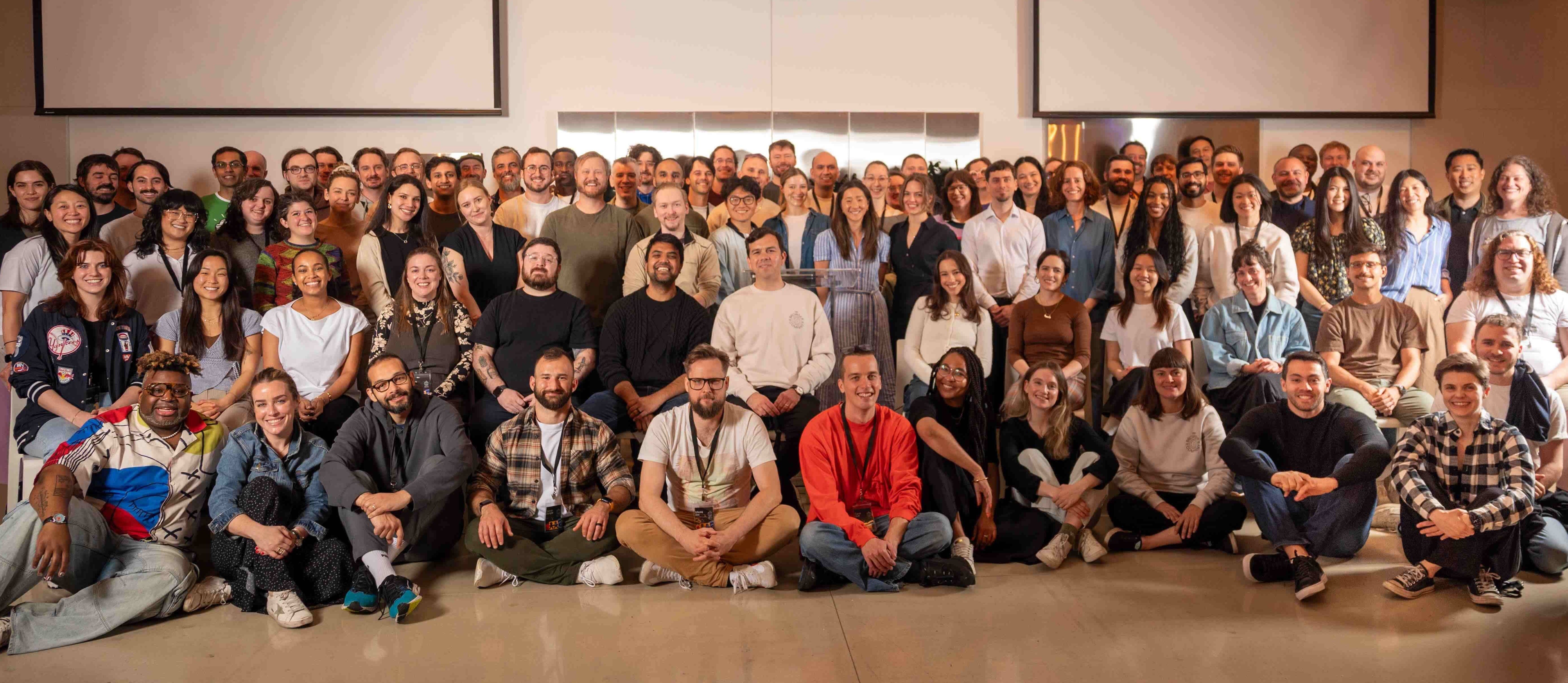
P.S. For those of you who do want to try Dia, we’re excited to open access for Arc members next, as the first expansion of our alpha beyond students.
P.S. 如果你确实想试试 Dia,接下来我们很期待向 Arc 成员开放,这是我们 alpha 测试第一次走出学生群体。